A little while back, I wrote about the “real” sources of dopamine for seniors — walking outside, gardening, conversation, time with grandchildren.
I promised then that I’d follow up with the food side of things, because what’s on the plate matters just as much as what fills the day.
Dopamine isn’t something you get directly from food, but certain nutrients — particularly the amino acid tyrosine, along with specific vitamins and healthy fats — give the body what it needs to produce dopamine naturally. Here’s a Canadian-friendly rundown of foods worth keeping in a senior’s regular diet.
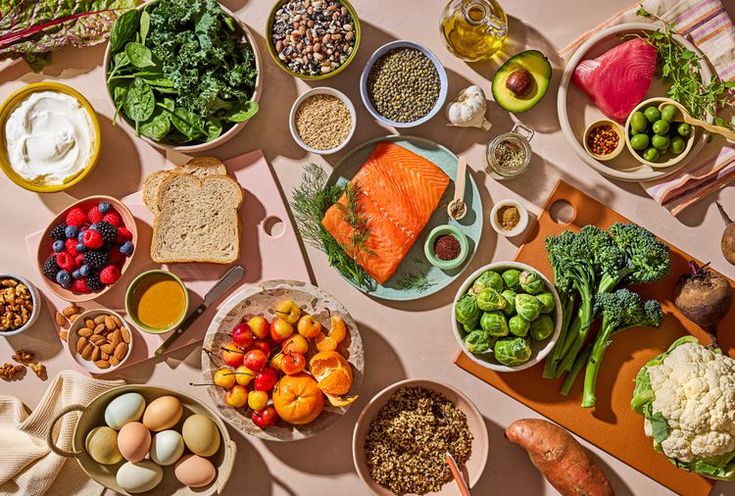
1. Eggs
Eggs are one of the most accessible sources of tyrosine, the amino acid the body converts into dopamine. They’re also easy to prepare in ways that suit sensitive teeth or reduced appetite — soft-boiled, scrambled, or folded into a simple omelette.
Easy to find: Eggs are inexpensive and available everywhere in Canada, making them one of the simplest additions to a weekly routine.
2. Fatty Fish (Salmon, Trout, Mackerel)
Fish rich in omega-3 fatty acids — salmon and trout being especially easy to find fresh or frozen across Canada — support brain function and have been linked to improved mood regulation. A simple baked salmon fillet with lemon is both easy on the joints to prepare and gentle to chew.
3. Bananas and Avocados
Both are good sources of tyrosine and vitamin B6, which plays a direct role in dopamine production. They’re also soft, easy to chew, and require no cooking at all — a banana or half an avocado makes a simple, no-fuss snack.
4. Yogurt and Fermented Foods
Plain yogurt, kefir, and fermented vegetables like sauerkraut or kimchi support gut health, and a growing body of research points to a strong connection between gut health and mood regulation — sometimes called the gut-brain connection. Canadian grocery stores generally carry a wide variety of yogurts and, in many cities, Korean kimchi is easy to find at Asian grocery stores or larger supermarket chains.
Kimchi is a staple in my own home — I eat it constantly, and so do my two boys, which honestly makes me happy as a Korean mom. My mother-in-law is vegetarian, so when I can’t find a vegan version at the store, I just make a batch at home without the usual fish sauce. She genuinely loves it, and I have to admit, it’s exciting to see kimchi getting more recognition in Western grocery stores and kitchens these days. Fermented food clearly isn’t just a Korean thing anymore — it’s becoming something everyone can enjoy, and benefit from.
5. Nuts and Seeds
Almonds, walnuts, and pumpkin seeds provide magnesium and healthy fats that support brain function. A small handful makes a convenient snack — though for seniors with chewing difficulties, nut butters (like almond butter) offer the same nutritional benefits in an easier-to-manage form.
6. Dark Chocolate (In Moderation)
A small square of dark chocolate can genuinely support mood, thanks to compounds that support dopamine and serotonin activity. The key word is moderation — a square or two, not a bar — but there’s no need to feel guilty about a small daily treat.
7. Beans and Lentils
Beans, lentils, and chickpeas are excellent plant-based protein sources containing tyrosine, and they’re gentle on the digestive system compared to heavier meats. A simple lentil soup is easy to make in bulk, freezes well, and is soft enough to be easy to eat.

Putting It Together: A Simple Day
Here’s what a dopamine-friendly day might look like, using ingredients readily available at any Canadian grocery store:
- Breakfast: Scrambled eggs with a side of avocado
- Snack: A small handful of walnuts or a banana
- Lunch: Lentil soup with a piece of whole-grain bread
- Dinner: Baked salmon with steamed vegetables
- Treat: A square of dark chocolate after dinner
None of this requires special shopping trips or complicated recipes — just small, intentional choices woven into meals that are already part of a normal week.
A Small Reminder
Food alone won’t replace the joy of a walk outside or a conversation with a loved one — but pairing the two makes a real difference. Good nutrition gives the body what it needs; the activities from my last post give the mind a reason to use it.
This article is for general informational purposes and isn’t a substitute for personalized medical or dietary advice. If your parent has specific health conditions or dietary restrictions, it’s worth checking with a doctor or dietitian first.





 A Daughter-in-Law's Guide to Ageing Well
Leave a comment