
Five knee pain relief stretches for seniors in Canada, plus joint-friendly foods, supplements, and osteoporosis prevention tips — from a daughter-in-law’s real experience.

My father-in-law recently started using a cane when he walks. Just a few months ago he could easily do a full loop around the block, but then his knee started aching, and now he feels unsteady without the cane. “Winters here in Canada get icy, and if he falls…” — that worry sent me searching for ways to help strengthen his knees, and this post is what I learned along the way.
If you’re caring for parents in Canada, you probably know the feeling: long winters and more time spent indoors can make joints stiffer than usual. So today I’m sharing the five knee pain relief stretches we’ve been doing together every day, along with foods and supplements that support joint health, and — since women need to pay special attention to this — some notes on preventing osteoporosis.
Before You Start Stretching
If the knee is significantly swollen, warm to the touch, or was recently injured, see a doctor before doing any stretching. If you’re in Canada, I’d recommend checking in with a family doctor or a walk-in clinic first. Hinge Health, a U.S. physical therapy platform, also advises against pushing through pain — move only within a range that doesn’t make the pain worse (Hinge Health, 2025).
I also want to be upfront that these stretches are meant to ease chronic knee stiffness or general discomfort from age-related joint changes — they don’t treat the underlying cause of pain. If pain worsens or lasts more than a few days, please see an orthopedic specialist.
5 Knee Pain Relief Stretches You Can Do at Home

1. Seated Knee Extension (Quad Strengthener)
Sit in a chair and slowly straighten one leg out, holding for 5 seconds before lowering it. Flexing your foot back toward you as you extend will engage the front thigh muscles even more. Alternate legs for 10 reps each. My father-in-law could barely hold it for 5 seconds at first, but after two weeks of doing it daily, it became much easier for him.
2. Towel-Assisted Hamstring Stretch
Lying on the floor or bed, loop a towel around one leg and gently pull it upward. Keep the knee slightly bent and pull only until you feel a stretch in the back of the thigh, holding for 15–20 seconds. Don’t yank it too hard — the muscle will tense up in protest. Aim for a “comfortable stretch,” not a forceful pull.
3. Standing Calf Stretch Against a Wall
Place your hands on a wall, step one leg back, and keep that heel flat on the floor. Bend the front knee slightly and hold for 15 seconds as you feel the stretch through the back calf. Tight calves can pull on the back of the knee too — my mother-in-law says her legs feel noticeably lighter after this one.
4. Lying Knee-to-Chest Hug
Lying on your back, wrap both hands around one knee and gently pull it toward your chest. You should feel a gentle stretch through the lower back, hip, and back of the knee. Hold for 10–15 seconds, then switch legs. This one works especially well first thing in the morning when the body feels stiff.
5. Ankle Circles + Knee Bend-and-Extend (Cool Down)
Sitting in a chair, rotate each ankle 10 times clockwise and 10 times counterclockwise, then finish with 10 slow knee bends. This helps circulation and gently loosens the joint to close out the routine.
Foods and Supplements That Support Joint Health
I learned that what you eat matters just as much as the stretching. Based on guidance from Arthritis Society Canada, here’s what we’ve been working into my father-in-law’s diet.
My father-in-law is vegetarian, so fish was off the table for us — but if your parents already enjoy fish, there’s no need to change that; it really comes down to whatever fits their diet best.

For food, if your parents eat fish, oily fish like salmon and sardines are the classic omega-3 source. If they’re vegetarian, plant sources of omega-3 (ALA) like ground flaxseed, chia seeds, hemp seeds, walnuts, and canola or flaxseed oil are good substitutes. Either way, leafy greens like broccoli and spinach, berries, and olive oil are also associated with reduced joint inflammation (Arthritis Foundation, 2025). One thing worth knowing: the body converts plant-based ALA into the more active EPA/DHA forms only in small amounts, so for vegetarians, a supplement can help fill that gap.
For supplements, always talk to a doctor or pharmacist before starting anything new. According to Arthritis Society Canada, omega-3, vitamin D, and turmeric (curcumin) have relatively solid evidence behind them — curcumin in particular has shown pain relief for knee osteoarthritis comparable to ibuprofen in some studies (Arthritis Society Canada).
Choose the omega-3 form that matches your parents’ diet: regular fish oil is fine if they eat fish, while an algae-based omega-3 supplement (algal oil) is a great option for someone vegetarian or vegan, like my father-in-law.

It’s derived directly from algae rather than fish, so it’s vegetarian- and vegan-friendly, and it provides the same EPA/DHA that fish oil does, just without going through a fish first. It’s worth checking the label for “algal oil” or “vegan omega-3” and confirming the EPA/DHA amount with a pharmacist, since doses vary by brand.
Glucosamine and chondroitin have mixed research results, so they’re considered “worth trying, but not guaranteed to help” — also worth noting that some glucosamine products are made from shellfish, so a vegetarian- or plant-sourced version should be selected for anyone avoiding animal products. After checking with his family doctor, we’ve settled on just a small daily dose of algae-based omega-3 and vitamin D for my father-in-law.
Women, Don’t Forget About Osteoporosis

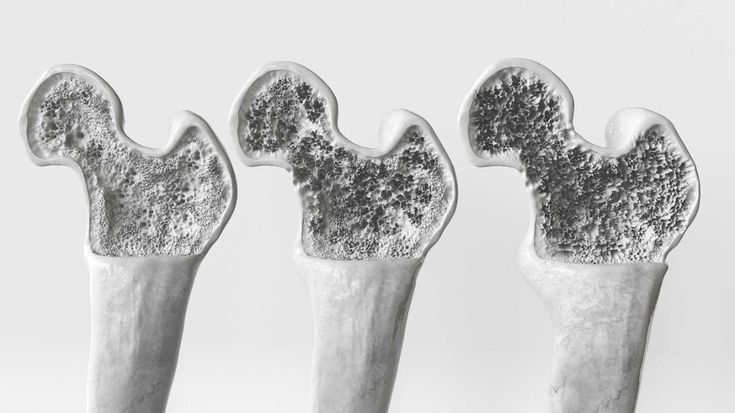
For women like my mother-in-law, bone health — osteoporosis — deserves just as much attention as knee joints. According to Canada.ca, women are four times more likely to be diagnosed with osteoporosis than men, largely because bone density drops more quickly after menopause. Risk is even higher for those who are 65 or older, underweight (under 60 kg), or have a parent with a history of hip fracture.
Health Canada recommends that everyone over 50 take a daily 400 IU vitamin D supplement alongside a balanced diet, and get enough calcium through dairy, canned fish with bones, leafy greens, and fortified plant beverages. Weight-bearing exercise like walking, along with balance-focused activities like Tai Chi or yoga, also help lower fracture risk — a great complement to the knee stretches above (Canada.ca – Osteoporosis).
Why Consistency Matters

Honestly, this stretching routine alone won’t make knee pain disappear completely. But after doing it with him for five minutes a day, my father-in-law has an easier time with stairs and says more often that his knee “feels a bit better today.” He still uses his cane, but he moves with noticeably more confidence on icy sidewalks and stairs, which makes the daily routine feel worth it. Doing this together while watching TV in the evening turns out to be both exercise and quality time — a nice bonus.
Frequently Asked Questions (FAQ)
Q1. My knee makes clicking sounds — is it still okay to stretch? Painless clicking or popping is usually not a cause for concern. But if the sound comes with swelling or pain, get it checked by a doctor before continuing to stretch.
Q2. What time of day is best for stretching? Right after waking up, joints are stiffer, so go slower and gentler. Later in the afternoon or evening, once the body has loosened up, tends to be easier and more effective. We usually do it together after dinner while watching TV.
Q3. Where can Canadian seniors find arthritis-related support or resources? Arthritis Society Canada (arthritis.ca) offers free information and local programs. A referral for physiotherapy from a family doctor can also help you check what’s covered under provincial health insurance (e.g., OHIP) or supplemental insurance plans.
Q4. I’m taking supplements — is it safe to combine them with other medications? Omega-3 can thin the blood, so if you’re on blood thinners, check with your doctor before taking it. The same goes for any supplement — always confirm with a pharmacist that it won’t interact with prescription medications you’re already taking.
Has any particular stretch or food made a difference for your parents? I’d love to hear about your experience in the comments.

Related Posts
Sources
- How to Manage Knee Pain in Your Golden Years – Apollo Hospitals Health Library
- 5 Knee Exercises for Seniors to Build Strength and Mobility – Hinge Health
- 8 Simple Knee Pain Relief Exercises Every Senior Should Try – Berman Physical Therapy
- Using Supplements to Treat Arthritis – Arthritis Society Canada
- The Ultimate Arthritis Diet – Arthritis Foundation
- Osteoporosis – Canada.ca (Public Health)
This article provides general health information and is not a substitute for professional medical diagnosis, treatment, or medication advice. Any health plan, including supplement use, should be decided in consultation with your doctor or pharmacist. Individual responses may vary — if pain is severe or persistent, please consult a medical professional right away.




Leave a Reply