

Why I’m talking about flu shots for seniors this year
| The right flu shot for seniors in Canada: see which provinces pay for it in 2026–27, what to ask the pharmacist, and when to book before December. |
Last winter, influenza B put my son Jack in the hospital.
A few days into his flu, he suddenly had severe pain in both legs and could barely walk. He was diagnosed with influenza-associated myositis. In children, this is often called benign acute childhood myositis (BACM) — inflammation of the leg muscles, usually the calves, that can follow a flu infection. It is most often linked to influenza B and mostly affects school-age boys.
When muscle tissue is damaged, it leaks an enzyme called creatine kinase (CK) into the blood. Very high CK levels can strain the kidneys, and in rare cases the muscle breakdown turns into rhabdomyolysis. Jack spent two days in hospital on intravenous (IV) fluids to flush the CK out of his body and protect his kidneys. He recovered fully, but watching my child unable to walk was one of the scariest moments of my life.
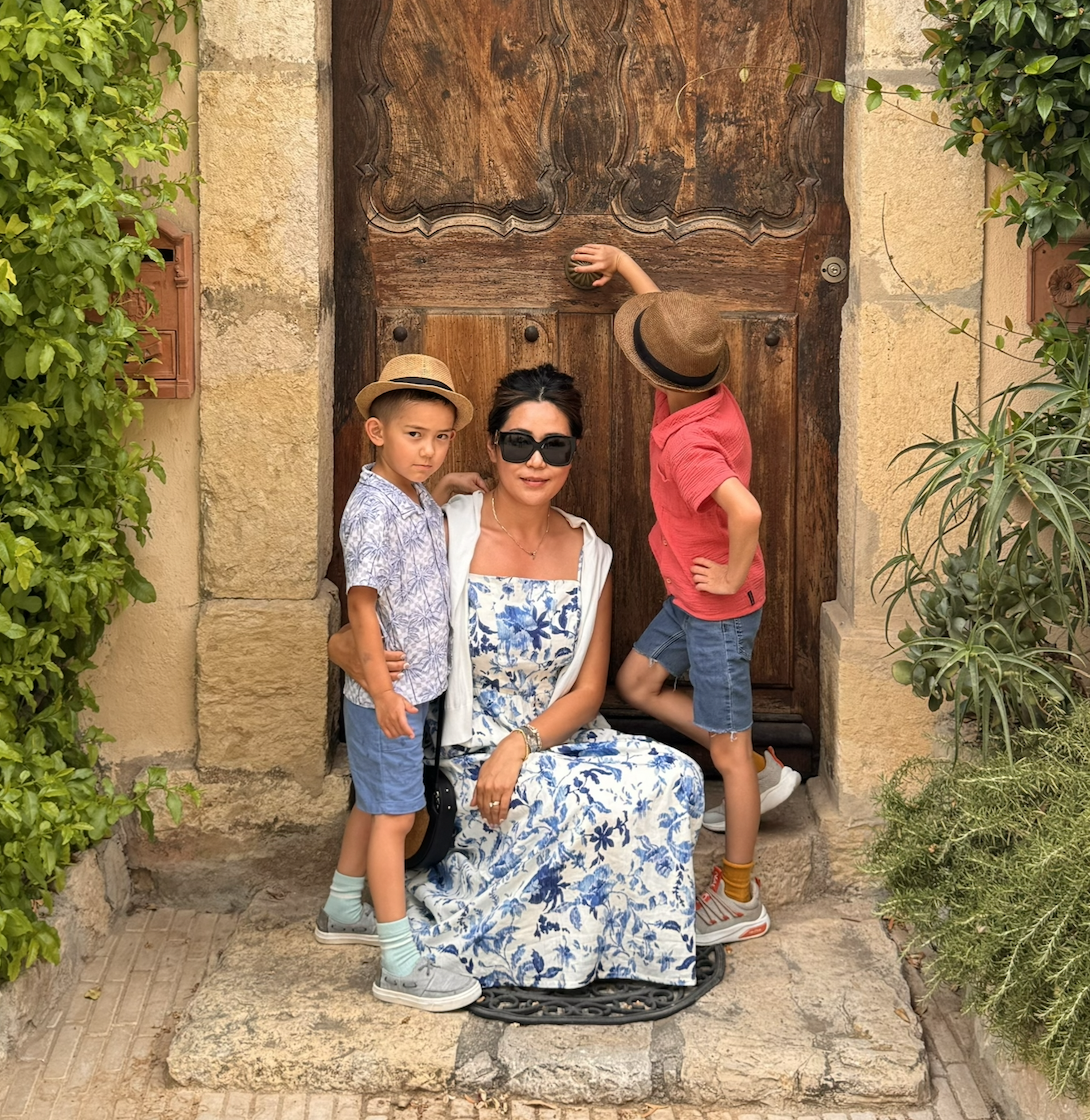
So this winter, my boys and I are all getting our flu shots.
Then there’s my mom. She usually gets her flu shot in October. This year, the flu got to her first. She caught it before her appointment and was sick in bed for six days. It was really hard on her, and she is still recovering and coughing.
Her story shows why timing matters. Flu doesn’t wait for the vaccine campaign to start, and the Public Health Agency of Canada says the shot takes about two weeks to give its best protection. Booking as soon as your province’s program opens closes that gap.
Once she has fully recovered, my mom is still getting her flu shot. One bout of flu doesn’t protect you from the other strains that circulate in the same winter, and the vaccine covers three of them.
My family’s experience taught me two things that shape the rest of this post: book your shot as early as your program allows, and a cough that lingers for weeks in an older adult deserves a call to the doctor.
Flu season in Canada usually ramps up in late fall and peaks over the winter holidays. Your body needs about two weeks after the shot to build protection. So November is the last comfortable window to get protected before family gatherings.
This guide explains what the high-dose shot is, which provinces pay for an enhanced senior flu shot, and what to ask at the pharmacy counter.
October 2026 update: what’s different this season
This year’s flu shot has been rebuilt to target last winter’s troublemaker. Here is what changed since last fall.
| What | 2025–26 season | 2026–27 season |
|---|---|---|
| Main flu strain | H3N2 “subclade K” spread worldwide from August 2025 | Expected to keep circulating, with influenza B rising |
| Vaccine match | 91% of H3N2 viruses tested in Canada were mismatched to the vaccine | WHO updated the H3N2 component to a subclade K-like strain |
| How well it worked | About 40% protection against H3N2 illness overall; only about 25% in adults 65+ (interim estimate) | Not known until midwinter |
| Alberta program start | October 20, 2025 | October 19, 2026 |
The big takeaway: last season’s shot was a poor match, and seniors felt it most. For 2026–27, the World Health Organization changed the H3N2 strain after subclade K became dominant. That should mean a better match this winter, though no one can promise it.
Sources: CIDRAP on Canada’s 2025–26 interim estimates; Eurosurveillance, January 2026.
What is a high-dose flu shot for seniors?
A high-dose flu shot contains four times the antigen of a standard flu shot. Antigen is the part that trains your immune system. Aging immune systems respond more weakly to vaccines, so the extra dose helps older bodies mount a stronger defence.
The high-dose shot is one of three “enhanced” options for people 65 and older:
| Vaccine type | Brand name in Canada | How it works |
|---|---|---|
| High-dose | Fluzone High-Dose | 4x the antigen of a standard shot |
| Adjuvanted | Fluad | Normal dose plus an ingredient that boosts the immune response |
| Recombinant | Supemtek | Made without eggs; not offered in Canada’s 2025–26 public programs |
Canada’s National Advisory Committee on Immunization (NACI) has found that all three offer increased benefits for adults 65+ compared to standard-dose shots. That matters for one big reason: if your province offers Fluad instead of high-dose for free, you are not getting a “worse” shot. Both are recommended for seniors.
The most important rule is simple: any flu shot is far better than none. If the enhanced shot is not available, take the standard one rather than waiting.
Flu shot pros and cons for seniors: an honest look
The flu shot is not perfect, but for people 65+ the benefits clearly outweigh the downsides. Here is the balanced picture.

| Pros | Cons |
|---|---|
| Lowers your chance of getting sick enough to see a doctor — about 40% in a tough, mismatched year like 2025–26 | Protection is partial. In 2025–26 it was only about 25% for adults 65+ against H3N2 |
| Protects better against severe illness and hospital stays than against mild illness | Strains can drift away from the vaccine during the season |
| Free for seniors in every province | The high-dose version costs money where it isn’t covered |
| Takes 15 minutes at a pharmacy, often with COVID-19 or RSV in the same visit | Sore arm, tiredness or mild fever for a day or two |
| Helps protect grandchildren, spouses and friends you see over the holidays | Protection fades over months, so you need a new shot every fall |
Why the cons still don’t win: BC health officials noted last winter that even the mismatched shot still gave good protection against severe illness and hospitalization. For a senior, avoiding a hospital stay is the outcome that matters most.
Which senior flu shot? Pros and cons side by side
| High-dose (Fluzone High-Dose) | Adjuvanted (Fluad) | Standard dose | |
|---|---|---|---|
| Recommended for 65+ by NACI | Yes, preferred | Yes, preferred | Acceptable if nothing else is available |
| Main advantage | 4x antigen for a stronger response | Booster ingredient strengthens response | Widely available everywhere |
| Main drawback | Slightly more side effects; not free in most provinces | Slightly more side effects than standard | Weaker response in older adults |
| Free for 65+? | Ontario, Manitoba | Most provinces | Every province |
Bottom line on choice: take the enhanced shot your province offers for free. Paying extra for high-dose is a personal choice, not a must.
Is the senior flu shot free in your province?
Every province gives seniors a free flu shot, but among the provinces below, only Ontario and Manitoba fund the high-dose version for community-dwelling seniors. Most others fund the adjuvanted shot (Fluad) instead, which NACI also recommends.
| Province | Free enhanced shot for 65+ | High-dose free? | Season confirmed |
|---|---|---|---|
| Ontario | Fluzone High-Dose or Fluad | Yes, for all 65+ | 2025–26 |
| Manitoba | High-dose or Fluad | Yes, but criteria differ by vaccine | 2025–26 |
| Alberta | Fluad | No (only certain transplant patients) | 2026–27 |
| British Columbia | Fluad | No — sold at some pharmacies and travel clinics | 2025–26 |
| Saskatchewan | Fluad | Only if you can’t receive Fluad | 2025–26 |
| Nova Scotia | Fluad | Only if you can’t receive Fluad | 2025–26 |
| Quebec | Fluad, for long-term care residents and some 75+ | No | 2025–26 |
| NB, PEI, NL, territories | Varies | Check your provincial health site | — |
Sources: Immunize Canada, publicly funded flu vaccines 2025–26; Alberta Blue Cross Benefact 1326 (July 2026).
Note: Provinces set their own programs each fall. Rows marked 2025–26 reflect last season and may change for 2026–27. Check your province’s health website before booking.
If your province doesn’t cover high-dose and you specifically want it, many pharmacies sell it. Ask about the price first, and check whether your extended health plan reimburses vaccines.
Alberta seniors: what’s free this fall
Alberta’s free flu program for the general public starts October 19, 2026, and seniors 65+ will be offered Fluad at participating pharmacies. COVID-19 and RSV shots follow different rules.
| Vaccine | Who gets it free in Alberta | Where |
|---|---|---|
| Flu (Fluad) | Everyone 65+ | Pharmacies and public health clinics, from Oct 19, 2026 |
| COVID-19 | A targeted list — details for 2026–27 still pending | Pharmacies can give funded doses again this fall |
| RSV | Community-dwelling seniors 70+ (since March 2025) | Participating pharmacies |
The COVID-19 rule is the one to watch. Last season, free shots went to targeted groups, including seniors receiving the Alberta Seniors Benefit and adults 65–79 with higher-risk medical conditions. Everyone else paid $100 per dose. Alberta says 2026–27 details will come in a later update, so confirm your eligibility before you go.
Sources: Alberta College of Pharmacy; Alberta Blue Cross Benefact 1326; RSV expansion.
When to get it, and can you combine shots?
Book your senior flu shot as soon as your province’s program opens, ideally by mid-November. Protection takes about two weeks to build, and you want it in place before December gatherings.
Don’t go too early either. Protection fades over a season, so a shot in late summer may wear thin by February. For most provinces, October and November are the sweet spot.
You can usually get several shots in one visit. Ontario’s guidance says flu vaccines may be given at the same time as COVID-19 and RSV vaccines. One trip instead of three is a real win in winter. Ask your pharmacist which combination suits your health history.
Your pharmacy checklist

Print this or keep it on your phone for the visit.
- Bring your provincial health card
- Ask: “Which senior flu shot do you have — high-dose or Fluad?”
- Ask: “Is it free for me, or is there a charge?”
- Ask if you can get COVID-19 or RSV at the same visit, and whether those are free for you
- Mention any allergies or a bad reaction to a past flu shot
- Plan to wait about 15 minutes afterward
- Save your receipt if you paid — your extended health plan may reimburse it
Mild side effects like a sore arm, tiredness or a low fever usually pass in a day or two. The high-dose shot can cause slightly more of these than a standard shot.
Frequently asked questions
Is the high-dose flu shot better than Fluad? NACI groups both as preferred options for seniors over the standard shot. Neither is officially ranked above the other in Canada, so take whichever your province offers free.
I’m 64. Can I get the senior shot? The high-dose shot is authorized only for people 65 and older. Under 65, you’ll get a standard shot, which is free in every province.
I got a flu shot last year. Do I need another one? Yes. Flu strains change each year and protection fades, so seniors need one dose every season.
Can I still get the flu shot in December or January? Yes. Late is better than never — flu often circulates into spring.
Is it safe if I have an egg allergy? In Canada, egg allergy is not considered a reason to skip an inactivated flu shot. Tell your pharmacist anyway.
The bottom line

If you’re 65+, get your free enhanced flu shot in October or November — whether it’s high-dose or Fluad. Then check whether COVID-19 and RSV shots are free for you, and get them in the same visit if you can.
Related reading: [Early signs of dementia in aging parents ] · [Wills for Seniors in Canada: 7 Urgent Steps ]
This article is for general information only and is not medical advice. Vaccine programs change every season and differ by province. Talk to your pharmacist, doctor or provincial health line (811 in most provinces) about what’s right for you.
Sources
- Immunize Canada — Publicly funded seasonal influenza vaccines in Canada, 2025–26
- NACI — Supplemental guidance on influenza vaccination in adults 65+ (CCDR, Nov 2024)
- Alberta Blue Cross — Pharmacy Benefact 1326, fall 2026–27 program
- Alberta College of Pharmacy — 2026–27 immunization program details
- Alberta Blue Cross — COVID-19 vaccine updates
- Alberta College of Pharmacy — RSV eligibility expansion
- Ontario — Influenza immunization fact sheet for 65+
- WHO — Vaccine composition for the 2026–27 northern hemisphere season (Feb 2026)
- CIDRAP — Canada’s interim 2025–26 flu vaccine effectiveness
- Eurosurveillance — Interim 2025/26 vaccine effectiveness, Canada (Jan 2026)
- Interior Health — Medical health officer update on H3N2 subclade K (Dec 2025)
- Public Health Agency of Canada — Get your flu vaccine
- Benign acute childhood myositis as a complication of influenza B (Masaryk University, 2015)



Leave a Reply